
How much does a smoothie cost?
Add the ingredients for your batch, enter what you paid, and see your cost per serving. Add a local menu price if you want to compare making it at home with buying one.
- Free to use
- No signup
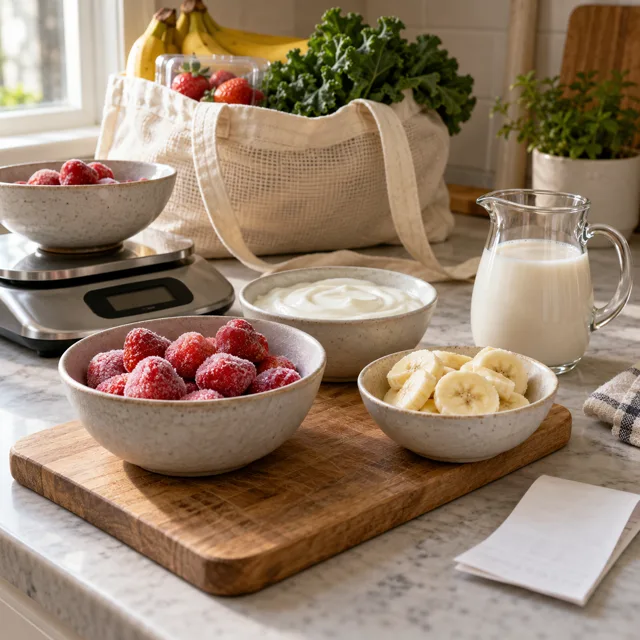
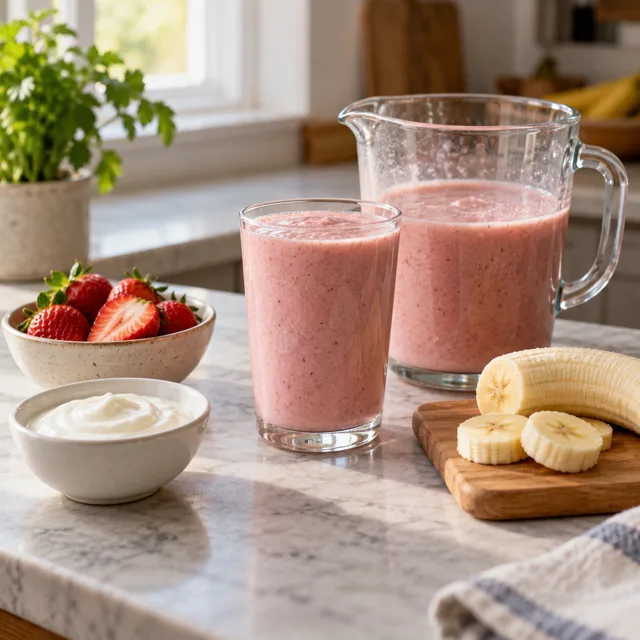
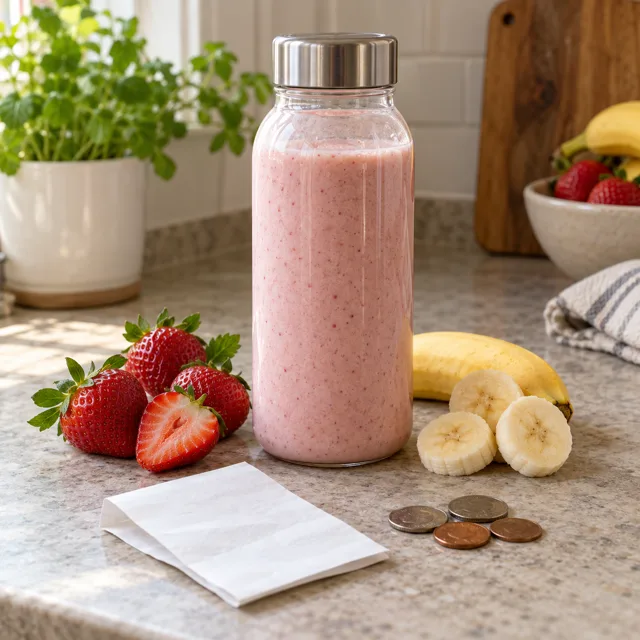
Totals below are per serving 1
Start with the example prices, then enter what you paid for one listed unit of each ingredient. The totals update as you change the amounts or number of servings.
Add your own brand from its label
This 1-serving batch costs $1.70 in ingredients. Edit the prices to match your shopping receipt.
What a smoothie costs to make at home
These four blends show how the example ingredient prices add up. Your own store prices may be different, so edit the unit prices in the calculator above to get a useful result for your kitchen.
Ingredient cost only, one serving each, using illustrative USD defaults. These are not a current price survey. Enter what you actually paid in the calculator above.
The spread across those four runs from $0.80 for the lowest-cost example to $2.60 for the berry protein smoothie, and the amount you spend will depend on your own prices and portions. Protein powder and nut butter are useful lines to check when you want to lower a blend’s ingredient cost.
Where the money actually goes
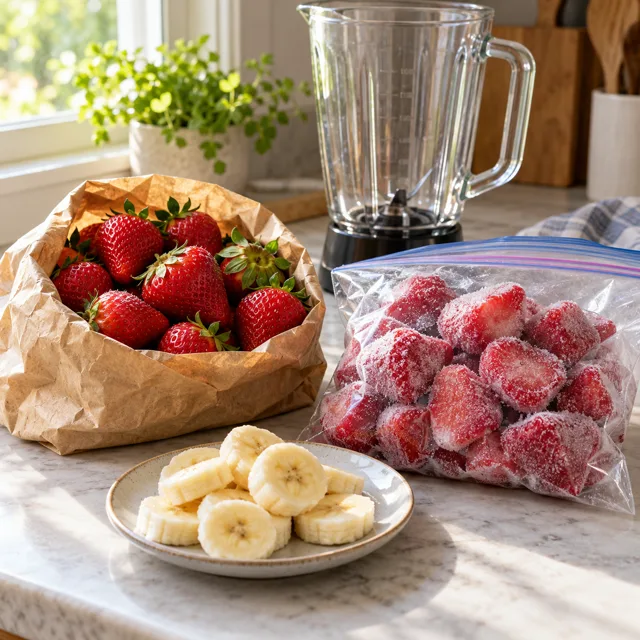
Compare the price per usable cup at your store. Frozen fruit keeps longer and lets you use only the amount you need, which can reduce the cost of fruit you would otherwise throw away.
You may pour a full cup into every serving. Compare water, milk and other liquids using the price per cup you actually pay; a small difference there repeats across every smoothie in a batch.
A bag can last weeks or just a few smoothies, depending on how much you add. Use the price per scoop or spoon so you can compare brands fairly.
If you have more fruit than you can use this week, portion it into freezer packs. The freezer pack calculator helps you work out the amounts.
Why a smoothie bar costs more than making it at home
When you buy a smoothie, the ingredients are only a small part of what you pay for. The price also covers the staff who make it, rent, equipment, cups and lids, card fees, waste and the shop’s margin. A large cup, a protein boost or an extra scoop of nut butter usually adds to the menu price as well. At home you pay only for the ingredients you use, which is why a homemade smoothie usually works out cheaper per glass even with good-quality fruit and yogurt.
Size matters when you compare. Shop cups are often bigger than a homemade glass, so compare the same amount. Enter the shop’s cup size as your servings and you will see whether the difference is the recipe or simply a bigger cup.
How much should you charge for a smoothie?
If you sell smoothies at a café, a market stall or an event, start from the ingredient cost per cup, which this calculator gives you. Many food businesses price so that ingredients are roughly a quarter to a third of the menu price, leaving the rest for labor, rent, packaging and profit. Your own costs decide the right number, so treat that as a starting point and check it against what similar shops near you charge.
Price add-ins separately. Protein powder, nut butter and superfood boosts are among the most expensive ingredients per spoon, so charging for them as extras keeps your base smoothie competitive. Recheck your prices whenever fruit prices change with the seasons.
Is it cheaper to buy frozen fruit or fresh?
Frozen fruit is often cheaper per usable cup, especially for berries, mango and pineapple out of season, and none of it spoils in the fridge. Fresh fruit in season can be cheaper still, and freezing it yourself when it gets ripe stops it going to waste. Bananas are the classic example: buy them cheap, let them ripen, peel and freeze them in chunks, and you have the creamiest, cheapest smoothie base there is.
Counting the calories as well as the cost?
The nutrition calculator takes the same blends and gives you calories, protein, carbs, sugar and fat for the serving you are pouring.
Open the nutrition calculatorYou might be wondering…
Why are smoothies so expensive at shops?
The price covers staff, rent, equipment, cups, waste and profit as well as ingredients. Larger cups and add-ins push it higher.
How much should I charge for a smoothie?
Work out your ingredient cost per cup first. Many food businesses aim for ingredients to be roughly a quarter to a third of the menu price, then adjust for their own costs and local prices.
Is it cheaper to make smoothies with frozen fruit?
Often, yes. Frozen fruit has little waste and is usually cheaper out of season. Freezing ripe fresh fruit yourself is cheaper still.
How much does a smoothie cost?
There is no single price: the ingredients, portion size and local menu all matter. Choose your blend, enter what you paid for each ingredient unit and set the servings. The calculator shows your homemade cost per serving, with an optional shop-price comparison.
What is the average smoothie price at a cafe?
Prices depend on the location, cup size and add-ins, so a single national figure can mislead. Use the menu price for the smoothie you would actually buy in the comparison field; include any extra charge for protein, boosts or a larger size.
Are homemade smoothies cheaper than buying one?
Often, but check your own numbers. Enter your ingredient prices and a comparable local menu price to see the per-serving difference. The result counts ingredients, so it does not include your time, electricity or food that goes unused.
How do I work out the cost per serving?
Select the ingredients and amounts for the full batch, then set the number of servings. For each ingredient, divide the package price by the number of listed units it contains and enter that unit price. The calculator sums the batch and divides it by the servings.
What makes a homemade smoothie expensive?
Check the cost beside each ingredient. Powder and nut butter can add up quickly, but prices vary by brand and store. Try changing one ingredient at a time to see what makes a difference.
How do I bring the cost down without making it worse?
Compare prices for the amount you actually use. A bigger bag may cost less per cup, but only helps if you use it. Try store-brand ingredients or freeze spare fruit before it goes soft.
Estimates, not advice. Every figure on this page is calculated from published per-100 g reference values and standard household measures, so your own brands, portions and equipment will move it. Nothing here is medical, nutritional or dietetic advice — talk to a qualified professional before acting on it, particularly if you are pregnant, managing a health condition, or feeding a child.